
Þetta er vefsíða Landgræðslunnar. Sú stofnun hefur nú verið sameinuð í Land og skóg. Nýtt veffang er landogskogur.is. Þessi vefur verður aðgengilegur þar til nýr vefur fyrir Land og skóg verður fullgerður.
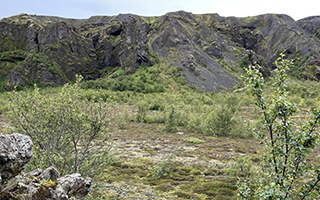
Þurrlendi
Vistgeta þurrlendisvistkerfa ræðst af loftslagi, landslagi og þeim jarðvegi sem þar ætti að ríkja og endurspeglar þá líffræðilegu fjölbreytni gróðurs og jarðvegs sem ætti að vera til staðar í óröskuðu vistkerfi. Með því að vernda og endurheimta vistkerfi vinnur Ísland að ýmsum alþjóðlegum skuldbindingum, til dæmis varðandi verndun líffræðilegrar fjölbreytni og aðgerðir til að sporna við loftslagsbreytingum. Landgræðslan hefur til áratuga unnið endurheimt vistkerfa.
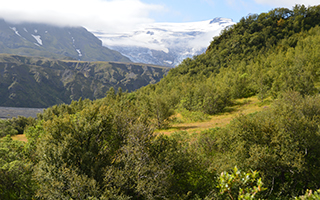
Sjálfbær Landnýting
Sjálfbær landnýting er grundvallarundirstaða sjálfbærs samfélags og tryggir að landnýting leiði ekki til hnignunar á gæðum lands. Mælikvarðar á sjálfbærni eru félagslegir, efnahagslegir og umhverfislegir. Sé ekki tryggt að vistkerfi uppfylli lágmarkskröfur um ástand eru forsendur sjálfbærrar nýtingar brostnar. Sjálfbær landnýting nær til allra vistkerfa þ.m.t. votlendis, skóga og ræktarlands. Mörg verkefni Landgræðslunnar hverfast um ofangreint.
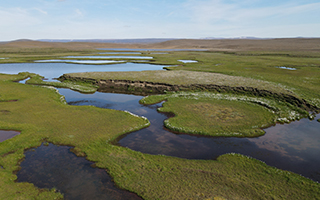
Votlendi
Eru mikilvæg búsvæði lífvera, mikilvægt er að vernda og endurheimta röskuð votlendi. Stórum hluta af vistkerfum landsins hefur verið raskað, virkni þeirra skert og hefur um helmingi votlendis verið raskað. Rask hefur neikvæð áhrif á líffræðilega fjölbreytni, eykur hættu á útbreiðslu ágengra framandi tegunda, raskar hringrásum næringarefna, vatns og orku, skerðir lífsgæði og framtíðar auðlindir, hefur neikvæð áhrif á kolefnisforða og kolefnisbindingu, sem og viðnámsþrótt og þanþol vistkerfa.
Um okkur
LANDGRÆÐSLAN
Frá árinu 1907 höfum við unnið hörðum höndum að umbreytingu á röskuðum vistkerfum →
Starfsfólkið okkar
Öflugur hópur starfsfólks með þverfaglegan bakgrunn →
Starfsstöðvar
Gunnarsholt, Reykjavík, Hvanneyri, Sauðárkrókur og Ásbyrgi →
Ákall um verndun og endurheimt vistkerfa um heim allan í þágu fólks og náttúru.
Áratugur Endurheimtar Vistkerfa 2021-2030
Fréttir og tilkynningar
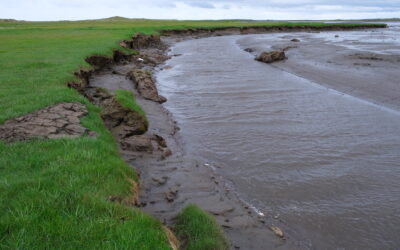
Auglýsing um styrki til varna gegn landbroti
Landgræðslan auglýsir nú eftir umsóknum um styrki til varna gegn landbroti. Við forgangsröðun umsókna verður m.a. höfð hliðsjón af verðmæti þess lands eða mannvirkja sem landbrotið ógnar.
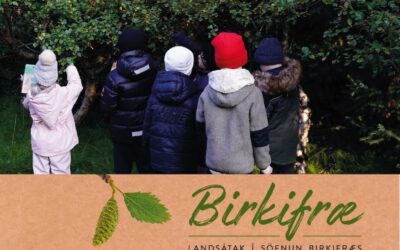
Birkifrætínsla í Vesturbyggð
Landsverkefnið „Söfnum og sáum“ kallar eftir fræjum. Framboð birkifræs hefur verið takmarkað í ár að undanskyldri Vesturbyggð.
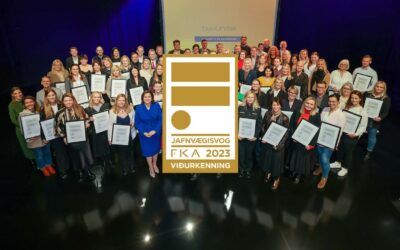
Jafnrétti er ákvörðun
Landgræðslan tók á móti Jafnvægisvoginni, viðurkenningu FKA við hátíðlega athöfn fimmtudaginn 12. október
Næstu viðburðir hér og þar
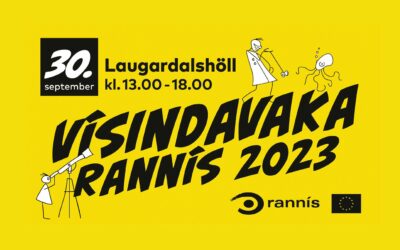
Vísindavaka Rannís 2023
Vísindavaka Rannís verður haldin 30. september næstkomandi þar sem alls kyns vísindi verða kynnt á lifandi máta.
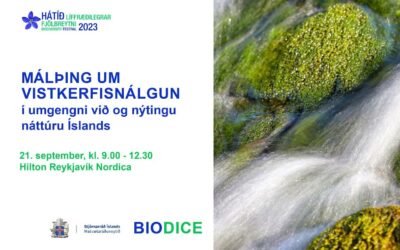
Málþing um vistkerfisnálgun
Matvælaráðuneytið og BIODICE munu standa fyrir málþingi um vistkerfisnálgun við nýtingu auðlinda 21. september nk. á Hilton Nordica frá kl. 9.00 til 12.30
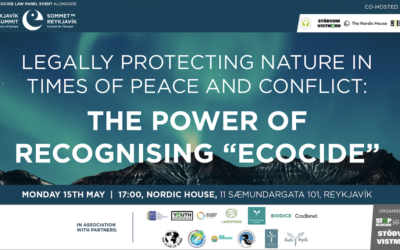
Lögvernd náttúru á tímum friðar og átaka
Heilbrigð vistkerfi og líffræðileg fjölbreytni eru grundvallaratriði fyrir jafnvægi lífs á jörðinni, sem og sjálfbærri siðmenningu mannsins.